



On the morning of May 20, 2025, Tanzanians opened their X (formerly Twitter) apps and found… nothing. No timelines. No tweets. No government updates. Just silence. The reason? The official X account of the Tanzania Police Force had been hacked — and what followed was a nationwide block on the entire platform.
While the story made international headlines, many missed the deeper story: how such a hack likely happened, who might have done it, and what it teaches us about protecting our digital spaces — from Dar es Salaam to Windhoek.
Timeline of Events: What Happened and When
- May 20, 2025 – Early morning
The official X account of the Tanzania Police Force (@TanPoliceForce) was hijacked. A fake post was published claiming President Samia Suluhu Hassan had died. - Shortly after
The false news spread like wildfire across Tanzanian social media. Screenshots circulated on WhatsApp and Facebook before the post was deleted. - Mid-morning
The Tanzanian government ordered telecom providers — including Halotel, Vodacom, Airtel, Liquid Telecom and Habari Node — to block access to X across the country. - By afternoon
X was inaccessible to millions. Tanzanian authorities issued no formal public explanation immediately, but state-owned media later confirmed the move was in response to a “cybersecurity incident.”
How Was the Police X Account Hacked?
While no technical breakdown was provided by Tanzanian authorities, here’s how such an attack likely happened — based on similar past incidents around the world:
🔓 1. Weak or Reused Passwords
One of the most common entry points. If the police account used a password like Tanzania2024! or reused one found in a previous data breach, it could be easily guessed or stolen.
📧 2. Phishing Attacks
A hacker could have sent a convincing-looking email to a police communications officer — maybe disguised as a X security update. Once they clicked and entered their login, the attacker had their credentials.
📱 3. No Two-Factor Authentication (2FA)
Without 2FA — where you need a text message or app code to log in — even a simple password leak can be fatal. If 2FA was disabled, hackers had a clean path in.
Who Could Be Behind It?
Authorities have not officially named suspects, but here are the three most likely culprits:
- Hacktivists: Political dissidents or digital activists protesting government censorship or abuses.
- Cyber pranksters: Sometimes attackers act for notoriety — not politics. Hacking a major police account draws global attention.
- State-sponsored actors: In rare cases, foreign operatives cause disruption to test digital defences.
Regardless of who it was, one thing is clear — the hack exploited poor digital hygiene at the heart of government communication.
What Tanzania Could Have Done Differently
- Use Strong, Unique Passwords
The password for an official government X account should never be guessable — and should never be shared across platforms. - Enforce Two-Factor Authentication (2FA)
2FA adds a second layer of protection. Even if a hacker knows your password, they can’t log in without your phone. - Restrict Account Access
Only a small number of trusted people should have login access. Too many users = too many risks. - Regular Security Audits
Government digital teams must routinely check their social media accounts for signs of compromise.
What Namibians Can Learn From This
Namibia hasn’t faced such a high-profile digital disruption — yet. But the lesson from Tanzania is clear: even official accounts can fall. And if you’re not careful, so can yours.
Whether you’re a student in Ongwediva, a nurse in Otjiwarongo, or a civil servant in Windhoek — your social media is a window into your world. If it gets hacked, it’s not just embarrassing — it can be dangerous.
Social Media Hygiene Tips for 2025
- Use long, complex passwords
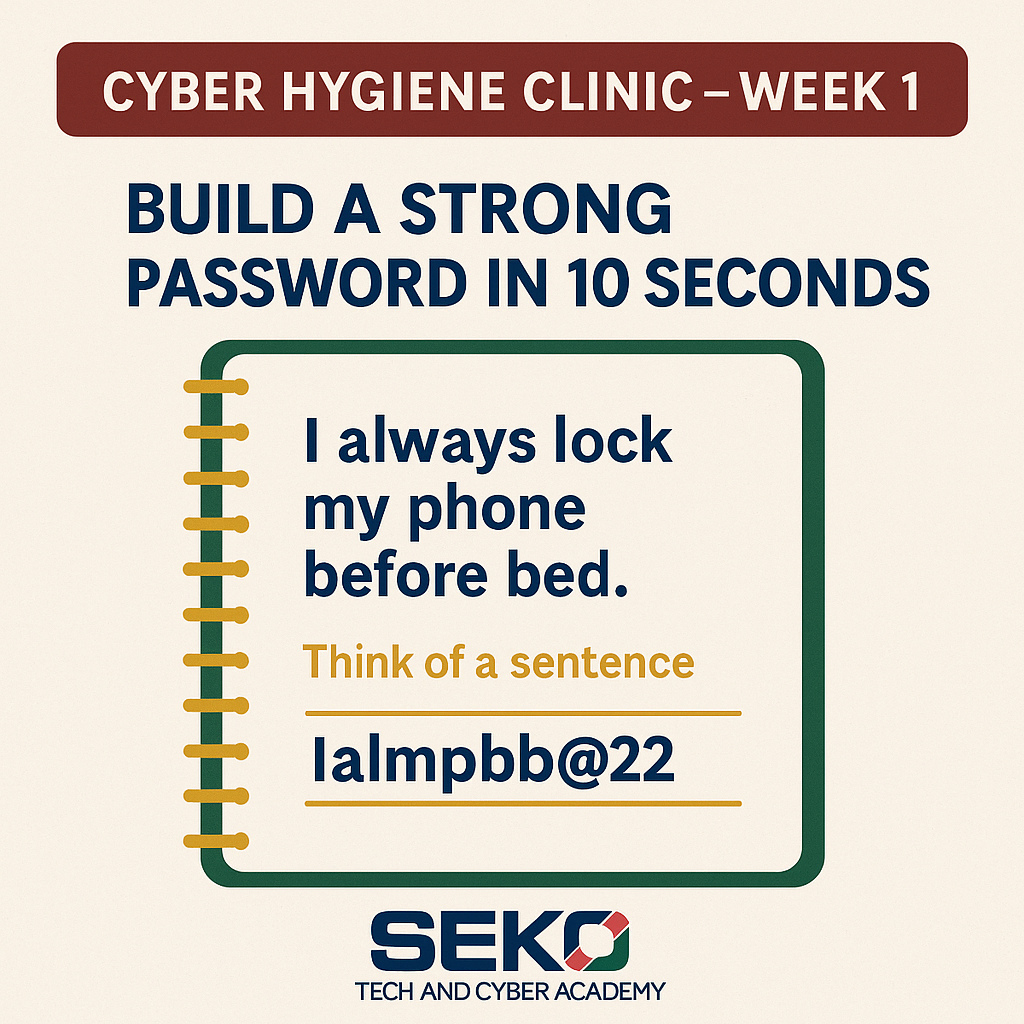
Think!Namibia@Digital#Freedom2025instead ofNamibia123. - Enable 2FA on every platform
Don’t wait. Turn on 2FA now on X, Facebook, Instagram, Gmail — all of them. - Never click suspicious links
Even if the email or DM looks real, double-check. Hover over links. Check the sender address. - Avoid public Wi-Fi for sensitive logins
That free airport or café Wi-Fi might be a hacker’s playground. - Log out of devices you don’t use
Especially if you borrowed someone’s phone or used a shared computer. - Review app permissions regularly
Revoke access to apps you no longer use — they might be backdoors into your account.
Conclusion: The Price of a Simple Mistake
The hack of the Tanzanian Police Force’s X account wasn’t just a cybersecurity breach — it was a national crisis. And it all started with what was likely a single compromised password.
Let this be a lesson for institutions and individuals across Namibia: your account is only as strong as the password protecting it. Whether you run a government department, a business, or your personal profile — digital hygiene isn’t optional anymore.
References & Further Reading
Digital Hygiene Tips by Amnesty Tech
Barron’s: Tanzania Blocks X After Police Account Hacked
Standard Media: Tanzania Blocks Access to X After Hack
Kenyans.co.ke: Tanzanian Police X Account Hacked, Government Responds