



Just a few months ago, the Democratic Republic of Congo (DRC) banned Starlink, citing “unauthorised operations.” Fast forward to May 2025, and the government has not only reversed the ban but granted the satellite internet provider an official operating licence. To some, this looks like a triumph for rural connectivity—but others have concerns.
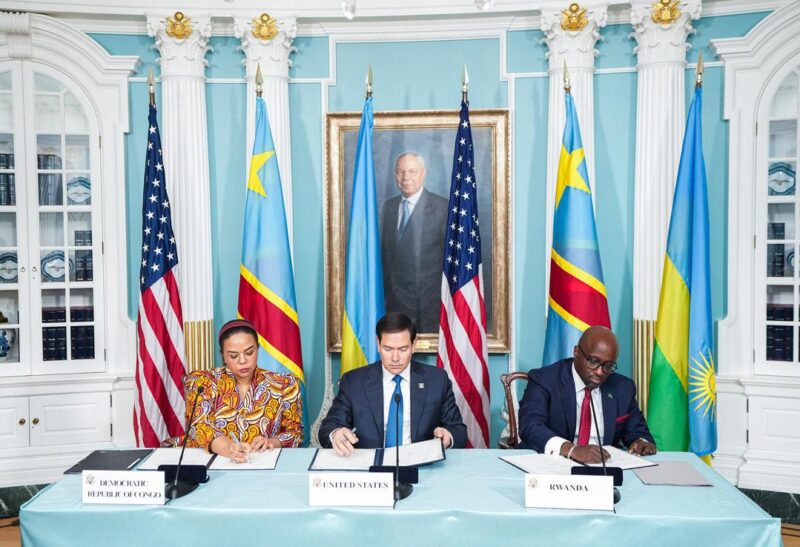
Could this dramatic U-turn be linked to something more than just internet access? Some suspect it’s tied to Congo’s growing relationship with the United States, particularly around critical mineral deals. If you’re handing over lithium and cobalt, maybe fast internet is part of the handshake?
Either way, Starlink’s resurgence in the DRC signals a wider shift in Southern Africa’s digital landscape—and the rest of the SADC region needs to pay attention.
What Is Starlink, Again?
For those unfamiliar, Starlink is SpaceX’s satellite internet project using low-earth orbit (LEO) satellites to provide high-speed internet around the world. Think of it as beaming internet directly from space—no fibre, no towers, just a small dish and a clear view of the sky.
It’s a lifeline for rural communities, remote clinics, farms, and even disaster-prone regions where traditional networks don’t reach.
SADC Snapshot: Who Has Starlink (And Who Doesn’t)?
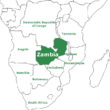
Right now, Starlink is live in Zambia, Malawi, Zimbabwe, Mozambique, Madagascar, Eswatini, and Lesotho. These countries have welcomed the service with open arms, allowing individuals and businesses to bypass patchy local networks.
South Africa, however, remains a holdout due to strict regulations that require 30% local ownership for telecom companies. Namibia is still evaluating, with no formal launch announced, despite demand from remote regions.
Why Did Congo Reverse Its Ban?
On paper, the reversal looks like a tech win—but zoom out and a more strategic picture may be unfolding.
The DRC is home to some of the world’s richest reserves of cobalt and lithium, both critical for batteries and green energy technologies. The country recently signed high-level deals with the United States involving these minerals. Could reliable, US-linked internet access have been a condition or sweetener in these deals? It’s speculative—but not far-fetched.
After all, Starlink isn’t just internet—it’s also infrastructure, influence, and intelligence.
Pros: Why Starlink Is a Win for SADC
- Rural Connectivity
Thousands of villages across SADC still rely on 2G or no connection at all. Starlink bridges that gap almost instantly. - Disaster-Resilient Infrastructure
Cyclone hits? Fibre cut? With Starlink, all you need is power and a dish. - Speed and Performance
Users report speeds between 100–250 Mbps, even in rural setups—eclipsing many local ISPs. - Digital Growth
From online farming tools to remote learning and e-health, the potential for socio-economic upliftment is massive.
Cons: Not Everyone’s Clapping
- The Cost
The initial hardware setup alone goes for US$500+, not exactly pocket change in most of SADC. - Regulatory Gaps
Many governments don’t yet have clear satellite internet policies—Starlink often operates in legal grey zones. - Displacing Local ISPs
If Starlink becomes dominant, what happens to home-grown ISPs struggling with outdated infrastructure and limited coverage? - Data Sovereignty
All data flows through US-operated satellites. Who owns the traffic? Who monitors it?
What Namibia Should Be Thinking About
Namibia could greatly benefit from Starlink, particularly in regions like Kavango East, Kunene, and Zambezi, where fibre is scarce and mobile networks unreliable. But rolling out Starlink without a strong policy could create confusion, or worse—dependency.
Key questions:
- Will Starlink partner with local operators like Telecom Namibia or Paratus?
- Will the government negotiate subsidised kits for rural communities?
- Can Namibia secure its data sovereignty while welcoming global tech?
Final Thoughts: The Sky Is Open, But At What Cost?
Starlink’s relaunch in Congo is more than just a tech story—it’s a lesson in diplomacy, infrastructure gaps, and digital equity. As the SADC region moves into the satellite era, it must do so with its eyes wide open.
Starlink may promise to connect the last mile, but governments must ensure it doesn’t disconnect their authority, economy, or local innovation in the process.
Namibia has a window of opportunity to learn from its neighbours. If it strikes the right balance between openness, policy, and protection, it could lead the next wave of smart, inclusive connectivity in Southern Africa.
Editor’s Note: This article is part of our SADC Tech Watch series. Stay tuned for deeper analysis on digital infrastructure, policy, and innovation across the region.