



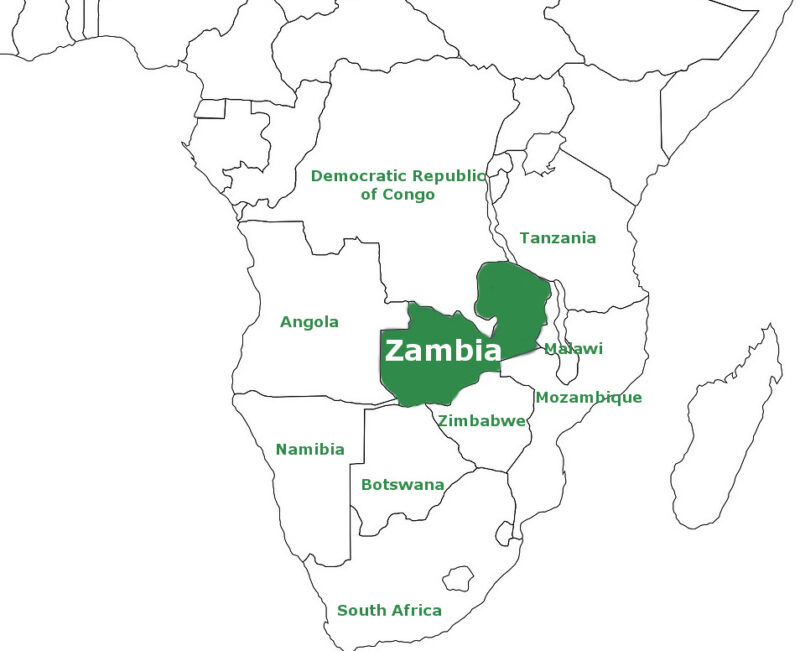
Zambia is back in the headlines—but this time, it’s not about load shedding or maize shortages. In April 2025, the Zambian government introduced two new cyber bills in Parliament: the Cybersecurity and Cybercrimes (Amendment) Bill and the Data Protection (Amendment) Bill. According to officials, the aim is to beef up the country’s digital laws to better protect citizens against online threats.
Sounds noble, right?
But as always in Zambia, no policy is safe from becoming a political football.
What the Bills Actually Say
At face value, the new bills promise to tighten cybercrime enforcement, protect personal data, and bring Zambia in line with global digital norms. Key features include:
- Enhanced powers for state agencies to track and prosecute cyber offenders.
- Broader definitions of cyber offences like misinformation, hate speech, and “cyber terrorism”.
- Stricter data handling rules for companies and public institutions.
However, critics—ranging from opposition leaders to civil society groups—warn that the language in the bills is vague, overbroad, and prone to abuse. For instance, the definition of “cyber terrorism” could be stretched to criminalise online activism or even critical posts on X (formerly Twitter).
The Politicisation of Everything—Zambian Style
Zambians have a unique talent for turning every issue—be it road tolls or TikTok dances—into a political debate. These cyber bills are no exception.
Some see them as tools to silence dissent ahead of the 2026 elections. Others believe they’re long overdue, given the rise in scams, fake news, and revenge porn circulating on social media. As usual, the truth is somewhere in the middle.
But the polarised conversation has left little room for constructive engagement. Instead of calmly debating what digital safety should look like, Parliament descended into name-calling, accusations, and viral clips on Facebook.
The US Embassy Has Entered the Chat
The drama took a global turn when the U.S. Embassy in Lusaka issued a travel warning for American citizens living in or visiting Zambia. The statement urged caution, highlighting that the proposed laws could be used to monitor private communications or prosecute individuals for vague offences.
In simple terms: Even Uncle Sam is worried.
This international reaction has added pressure on the Zambian government to clarify the intent and application of the bills—or risk harming its global image and investor confidence.
Namibians, Are You Watching Closely?
While all this may seem like Zambian house business, it carries lessons for Namibia and the broader SADC region.
Namibia, too, has been discussing updates to its data protection and cybersecurity framework. If we’re not careful, we could end up drafting laws that do more harm than good.
Some key takeaways:
- Clarity is King: Cyber laws must be specific and narrowly tailored. Vague language gives too much power to those in charge.
- Public Input Matters: Laws about the internet should involve the public—after all, we’re the ones online 24/7.
- Don’t Criminalise Criticism: Good governance thrives on accountability, not censorship.
Final Thoughts: Security Without Silencing
Zambia’s attempt to modernise its cyber laws is not inherently wrong. The internet is changing fast, and governments need to keep up. But when laws begin to resemble digital muzzles rather than digital shields, it’s time to raise eyebrows.
Namibians must learn from our neighbour’s debate—and ensure our own laws strike the right balance between safety and freedom.
Because in the end, protecting citizens should never come at the cost of silencing them.
👉 You can download and read all two cyber bills in full by visiting our Downloads Page.