




You wouldn’t store your family’s sensitive documents at a stranger’s house, right? So why should a government — entrusted with the personal information of millions — keep its data on foreign-owned servers? That’s the thinking behind the Namibian government’s latest digital move: the fast-tracking of its very own Government Data Center.
On May 22, 2025, ICT Minister Emma Theofelus and Executive Director Audrin Mathe publicly pushed for the accelerated construction and setup of the GRN Data Center — a purpose-built, secure facility that will store, manage, and protect government data inside Namibia’s borders.
But what exactly does that mean? And why should you, me, or a street vendor in Oshakati care?
What Is a Data Center Anyway?
A data center is like a digital vault. It’s a highly secure building filled with powerful computers, servers, backup systems, firewalls, climate control tech, and constant surveillance. These machines hold and process data — from ID records to land titles, emails to medical records.
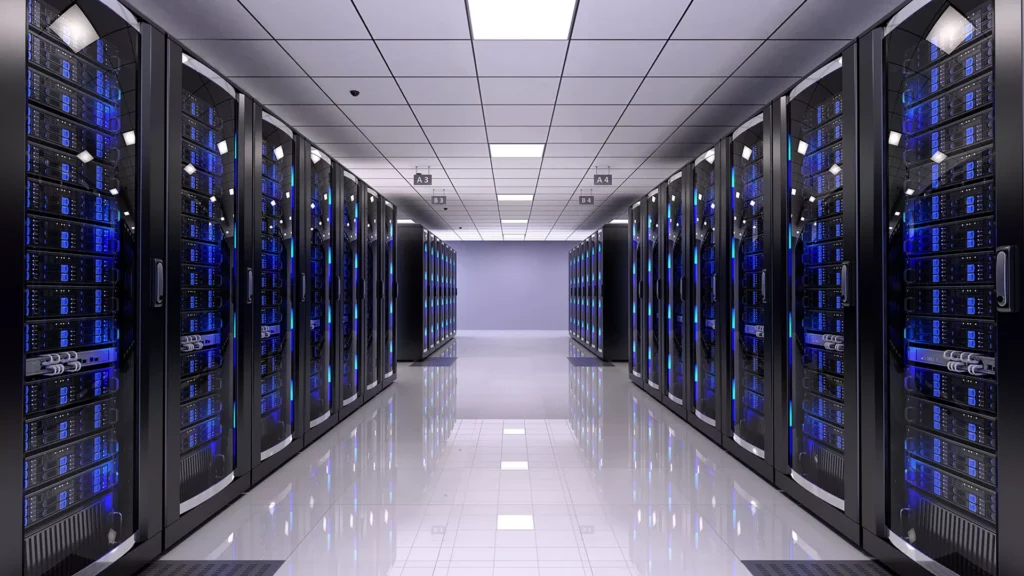
Think of it as the government’s digital brain. Right now, much of Namibia’s data is either:
- Stored with third-party cloud providers, some of which are based abroad; or
- Spread across multiple systems, departments, and physical files — vulnerable to both cyber threats and human error.
Why Is the GRN Building Its Own?
Because in today’s world, data is power. And relying on outsiders to store your data is like putting your crown jewels in someone else’s basement.
Here’s why building our own GRN Data Center matters:
1. Data Sovereignty
This means Namibia will control:
- Where government data is stored
- Who has access to it
- What laws apply to that data
Right now, if Namibia’s data is hosted in another country — say, on a server in South Africa or Europe — it’s subject to their laws, not ours.
2. Cybersecurity
We’ve already seen how vulnerable government institutions are. Remember the Telecom Namibia breach? Hackers allegedly gained access to over 600,000 client records — including some sensitive data shared with ministries.
A central, secure, government-controlled data center helps:
- Monitor threats in real-time
- Enforce access control
- Back up data more efficiently
3. Faster Government Services
Imagine Home Affairs issuing documents faster because systems are centralised and stable. Or your tax history being available instantly when you apply for a loan. That’s what reliable digital infrastructure enables.
4. Saving Money in the Long Run
Yes, it’ll cost millions to build — but Namibia will eventually save on:
- Hosting fees paid to private foreign companies
- Data transfer and compliance costs
- Downtime losses when systems crash or get hacked
But Will It Work?
That depends on execution. For the GRN Data Center to succeed, we need:
- Skilled people to run and maintain it
- Transparent procurement to avoid inflated contracts
- Regular security audits and real-time monitoring
- Clear rules about who can access what data
- Integration across ministries, not siloed systems
Namibia has the policy frameworks in place — like the draft Data Protection Bill and Cybercrime Bill — but implementation is everything.
So What’s Next?
Minister Theofelus says the GRN Data Center must be fast-tracked. That means:
- Breaking ground soon
- Allocating budget through Treasury
- Finalising infrastructure and digital laws
- Training Namibians to manage the system
If done right, it could be one of the most important digital investments since the launch of Namibia’s fibre network.
Why You Should Care
Your ID info, your health records, your court case files, your student loan, your pension data — it’s all digital now. And if that data lives on a foreign server or on a minister’s unprotected USB stick, you’re not safe.
A secure, Namibian-owned data center is not just a tech upgrade — it’s national security. And every Namibian, from a start-up in Windhoek to a farmer in Outapi, benefits from stronger digital trust.
Conclusion: It’s About Control, Trust, and the Future
The GRN Data Center is more than just servers in a building. It’s about Namibia taking charge of its digital future. In an age where data leaks, ransomware attacks, and geopolitical surveillance are real threats, having local control isn’t a luxury — it’s a necessity.
Let’s hope this project is done right, with Namibian skills, oversight, and vision — not just cables and concrete.
References & Further Reading:
Namibia’s Data Protection & Cybersecurity Draft Bills – Ministry of ICT