



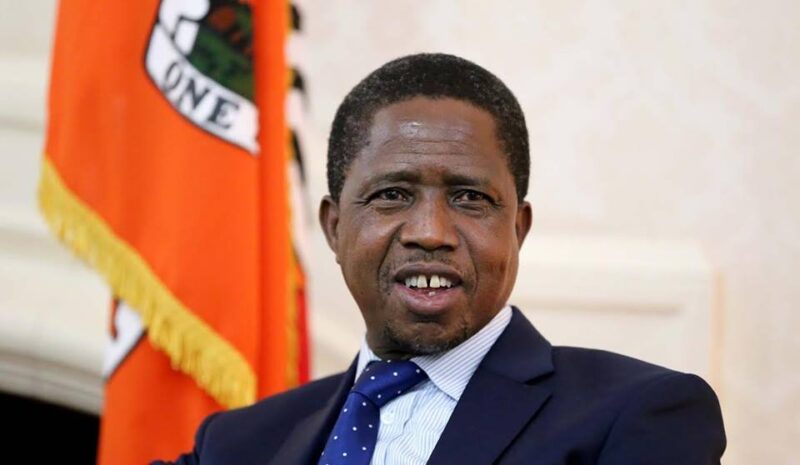
When Edgar Chagwa Lungu, Zambia’s sixth president, passed away on 5 June 2025 at the age of 68, the headlines were swift, sharp, and — in many cases — predictable.
For many, he was a complex figure — a man of quiet authority, deeply religious, sometimes divisive. Some remembered him as the man who held Zambia together during an economic storm. Others recalled the criticisms that followed his controversial 2021 re-election attempt, his strict enforcement of public order laws, and his silence during key civic debates. But in the flood of commentary, one part of his legacy remains widely underappreciated — even though millions of Zambians live with the impact every day:
Edgar Lungu laid the foundation for Zambia’s digital future. He acted in ways that still shape rural clinics, banking systems, and mobile towers across Zambia today.
He didn’t do it with fanfare. There were no glowing holograms, no social media blitzes, no catchy slogans shouting “Digital Lungu.” But those of us who track infrastructure, public service modernisation, and policy footprints in Southern Africa can tell you — under his presidency, Zambia quietly but decisively stepped into the digital age.
This article is about that story.
Who Was Edgar Lungu — and Why Should Namibia Care?
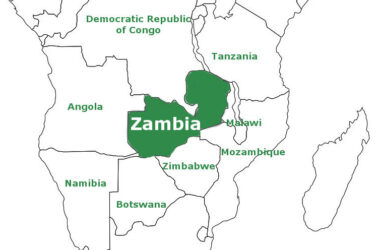
For the average Namibian reader, especially those in Windhoek, Rundu, or Otjiwarongo, Edgar Lungu may not be a household name. His name may not ring as loud as others. But for those tracking Africa’s digital transformation journey, Lungu’s presidency was a blueprint for what a leader can do with limited resources but clear intent. Across the Zambezi River, he was a central figure in Zambia’s governance for nearly a decade.
Born in 1956 in Ndola, in Zambia’s Copperbelt Province, Lungu trained as a lawyer and entered politics via the ruling Patriotic Front (PF) party — founded by the late President Michael Sata. When Sata died unexpectedly in 2014, Lungu — then Minister of Defence and Justice — was chosen to run for president. He won in 2015, and again (under contested conditions) in 2016, serving until 2021.
He ruled during a period marked by currency shocks, debt stress, droughts, and energy crises. But while his critics focused on issues like democratic space and rising authoritarianism, few acknowledged the strides his administration made in connecting Zambians digitally — from the mines of Mufulira to the marshlands of Mongu.
His Quiet Faith in the Digital Future
Edgar Lungu was not a flashy digital crusader. He didn’t pose with MacBooks. He wasn’t doing live TikTok sessions from State House. But in cabinet meetings, policy papers, and annual budget speeches, he consistently authorised investment into Zambia’s digital backbone. Here’s how that unfolded:
1. The Rise of Smart Zambia
Shortly after taking office in 2016, President Lungu launched a bold initiative called Smart Zambia Institute (SZI)— a national vision to digitise public services, improve access to ICT, and bring governance closer to the people using technology. In other words, he elevated the status and operational power of the Smart Zambia Institute (SZI).
Under his directive, SZI spearheaded efforts to:
- Create a central Integrated Government Services Platform (ZamServices).
- Digitise internal government processes — from pay slips to procurement.
- Train public servants in basic digital literacy.
- Link ministries using encrypted internal networks.
- Online government portals for tax payments, land registration, and student loans
- e-NAPSA: an electronic pension platform that let citizens manage retirement accounts remotely
- Digital vouchers for farmers, replacing manual paperwork with mobile-based subsidies
This wasn’t innovation for innovation’s sake. It was about efficiency, accountability, and reducing dependency on paper trails that were easily lost, forged, or manipulated.
2. The Tower Boom
Perhaps Lungu’s most felt — but least celebrated — intervention was in rural mobile infrastructure. Working with telecom partners like Huawei, MTN, and Zamtel, his government commissioned over 1,000 new mobile towers between 2015 and 2020. This expanded 3G and 4G mobile coverage to rural areas that had previously been disconnected.
That means villages that once had to climb anthills to get a single signal bar suddenly had consistent voice and data access. In districts like Nalolo, Nyimba, and Ikelenge, mobile penetration grew from under 30% to over 75%.
It wasn’t perfect signal. It wasn’t always 4G. But it was dignity — the dignity of being connected.
3. Cyber Laws and Digital Protection
Lungu’s government also introduced Zambia’s first National Cyber Security Policy in 2020, and signed into law the Cyber Security and Cyber Crimes Act in 2021.
Critics — including myself at times — raised concerns. The law included vague clauses that could be used to restrict online speech, monitor digital behaviour, and silence critics under the pretext of “cyber harassment.” But at the same time, Lungu recognised what many leaders still ignore: a digital society without digital protection is a ticking time bomb.
In fact, Zambia became one of the first countries in SADC to legislate the cyber space, ahead of South Africa’s own full regulatory rollout.
4. He Digitised Government from the Inside Out
Lungu’s administration didn’t stop at digital slogans. It invested in Zambia’s first national data centre, providing secure, in-country storage for sensitive public data.
At a time when many African governments still rely on servers hosted in Europe or Asia, Lungu insisted on data sovereignty. This move positioned Zambia to eventually launch more secure digital identity systems and e-governance platforms.
His administration also liberalised the international gateway, opening internet access to more telecom players and reducing broadband costs.
Real Impact in Real Places
It’s easy to talk policy in abstracts, so let me make this plain. Under Edgar Lungu:
- Clinics in rural areas started logging health records digitally, making follow-up easier and more accurate.
- Social cash transfer systems began using biometric verification, reducing fraud and leakages.
- Young people in small towns like Chinsali and Lundazi were able to learn digital skills through new government ICT hubs.
- SIM card registration became linked to national ID systems, improving traceability and reducing scams.
This wasn’t magic. It was infrastructure, built brick by digital brick.
Even the TV Went Digital
Let’s not forget Zambia’s Digital Migration Project, which moved national broadcasting from analogue to digital. Spearheaded under Lungu’s leadership, this project:
- Expanded the number of free-to-air TV channels.
- Enabled community broadcasters to reach new audiences.
- Laid the groundwork for future e-learning and remote education platforms.
In the COVID-19 era, this proved invaluable — giving Zambians more options to stay informed even during lockdowns.
The Surveillance Tension
No legacy is without contradiction.
Lungu’s digital policies expanded access. But they also concentrated power. We cannot talk about his legacy without mentioning the Cyber Security and Cyber Crimes Act of 2021. Surveillance fears were not imaginary — civil society groups like Chapter One Foundation and bloggers across Zambia faced intimidation, arrests, and vague cyber accusations.
But we must analyse this honestly. It was a necessary law written in an imperfect way — and it remains a point of debate in Zambia’s digital policy space to this day.
Zambia under Lungu wasn’t the worst abuser of digital rights in Africa — not by a long shot. It was a country struggling to balance governance and control, and Lungu was a president navigating that contradiction — sometimes poorly, sometimes boldly.
But we must give credit where it’s due: Lungu was one of the first leaders in Southern Africa to even attempt legislating cyberspace.
A President Who Took the Signal Seriously
Many presidents talk ICT. Few touch the fibre. Lungu wasn’t tweeting flashy slogans. He was signing tower deals, funding e-government pilots, pushing mobile coverage, and giving Smart Zambia space to grow. He understood that in the 21st century, a disconnected citizen is a disadvantaged citizen.
And whether we agreed with him politically or not, that belief deserves recognition.
Final Thought: Legacy in the Cloud
Not all legacies are built in marble. President Lungu has now joined the ancestors — and debates about where he’ll be buried will come and go.
Edgar Lungu may not be remembered for flashy speeches or sweeping reforms nor have the towering image of a Nkrumah or Mandela. His name may not be printed on international libraries or golden statues.. But in 2025, in some forgotten village near Lake Tanganyika, a mother will send school fees through mobile money, a child will stream a lesson via a community Wi-Fi point, and a local clinic will upload a patient’s report to Lusaka — all on systems he helped build.
That is legacy. That somewhere, deep in the database of the Zambia Integrated Digital Platform, his name lives on — signed into documents, approvals, tower blueprints, and Smart Zambia memos.
That a connected citizen is an empowered citizen. Edgar Lungu understood that. We owe it to him — and to the people of Zambia — to remember it.
Rest in peace, Mr. President.
Zambia is more connected because of you. Africa is more inspired because of your example.