



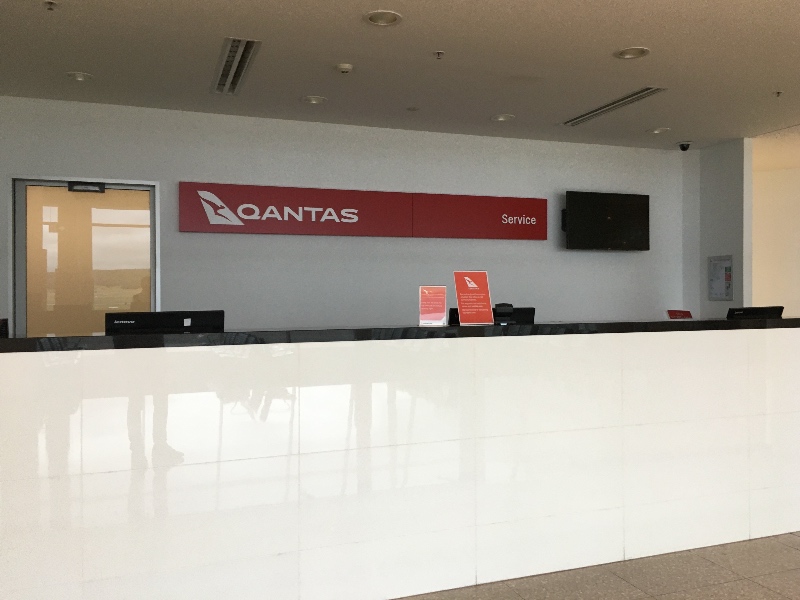
In early July 2025, news broke that Qantas—Australia’s flagship airline—had suffered one of the largest cyberattacks in the country’s aviation history. Six million customer records were exposed. No system-wide outages. No planes grounded. But in the quiet backend of a customer service line, a hacker made one phone call—and walked away with the personal details of millions.
This wasn’t a high-tech zero-day attack. It was a well-executed social engineering hack, a reminder that even in 2025, the weakest link in cybersecurity is still the human being on the other end of the line.
Namibia, the SADC region, and every organisation that handles sensitive data has a lot to learn from this breach.
Timeline of Events: What Happened and When
- June 30, 2025: A cybercriminal reportedly used voice phishing (also known as “vishing”) to trick a staff member at an offshore Qantas call centre.
- July 1, 2025: Qantas confirms a “significant cyber incident” affecting a third-party service provider.
- July 2, 2025: Media reports confirm that 6 million customer records were accessed—including names, emails, phone numbers, birth dates, and frequent flyer numbers.
- July 3–4, 2025: Qantas notifies customers and tightens access controls. Investigations and PR crisis management begin.
- July 5–6, 2025: Cybersecurity experts link the tactics to a global criminal group known for targeting high-profile companies using social engineering.
How Was the System Hacked?
This breach wasn’t caused by a technical vulnerability in Qantas’ own systems—but rather through a call centre vendor. A hacker impersonated a high-level staff member and used persuasive language to convince a call-centre agent to grant them access to backend tools used for customer support.
Once in, they didn’t need to crack passwords or brute-force any login screens. They simply downloaded exposed data from a dashboard—data that was not encrypted on that layer.
This is a textbook case of what’s known as “vishing”—voice phishing. The attacker used trust, confidence, and urgency to manipulate a person, not a machine.
Who Could Be Behind It?
While no group has officially claimed responsibility, cybersecurity experts have pointed to a group known as Scattered Spider. They have previously hit major firms like MGM Resorts and are known for their highly targeted social engineering attacks, particularly against call centres and third-party support staff.
Their playbook often involves:
- Impersonating executives
- Bypassing Multi-Factor Authentication using stolen session tokens
- Exploiting weak internal processes
They’re not state actors. They’re likely financially motivated cybercriminals operating out of multiple jurisdictions, including possibly the U.S. and Europe.
What Could Have Been Done Differently
Qantas did many things right after the breach—transparent disclosure, public notifications, and swift forensic analysis. But prevention was the missed opportunity.
- Vendor Risk Management: Third-party vendors must follow the same cybersecurity protocols as the main organisation. In this case, the call centre didn’t have strong verification layers before granting system access.
- MFA Beyond SMS: Multi-factor authentication must be robust and phishing-resistant. Tools like hardware security keys or app-based MFA would have made this attack harder.
- Real-time Threat Simulations: Staff, especially in customer-facing roles, need regular drills simulating phishing and vishing. This creates a culture of suspicion in the right places.
- Session Monitoring: Systems should log and flag abnormal access behaviour—even if login credentials are correct.
What Namibians and SADC Can Learn From This
This is not just an Australian problem. Airlines, banks, telcos, universities, hospitals—any organisation with a call centre or outsourced tech vendor is at risk.
In Namibia and the broader SADC region, we often rush to digitise services without matching investments in vendor oversight and cybersecurity training. Here’s what we need to take seriously:
- Don’t trust vendors blindly: Whether you outsource IT support or host your services on foreign infrastructure, enforce strong service-level security agreements.
- Don’t treat cybersecurity as an IT issue: It’s a boardroom issue, a customer trust issue, and a national resilience issue.
- Don’t ignore simulation training: Simulated phishing calls and emails should become routine. People only spot tricks they’ve practised against.
- Don’t store what you don’t need: If you collect customer data, review why you’re keeping it. Delete what you don’t absolutely need.
Social Media Hygiene Tips for 2025
Breaches like Qantas often lead to a second wave of damage—phishing emails, fake reward offers, and scam calls using the stolen information. Here’s how you can stay safe:
- Never click links in SMSes or emails promising loyalty points, ticket upgrades, or refunds. Always go directly to the official website.
- Change your passwords regularly—especially if you use the same email across multiple accounts.
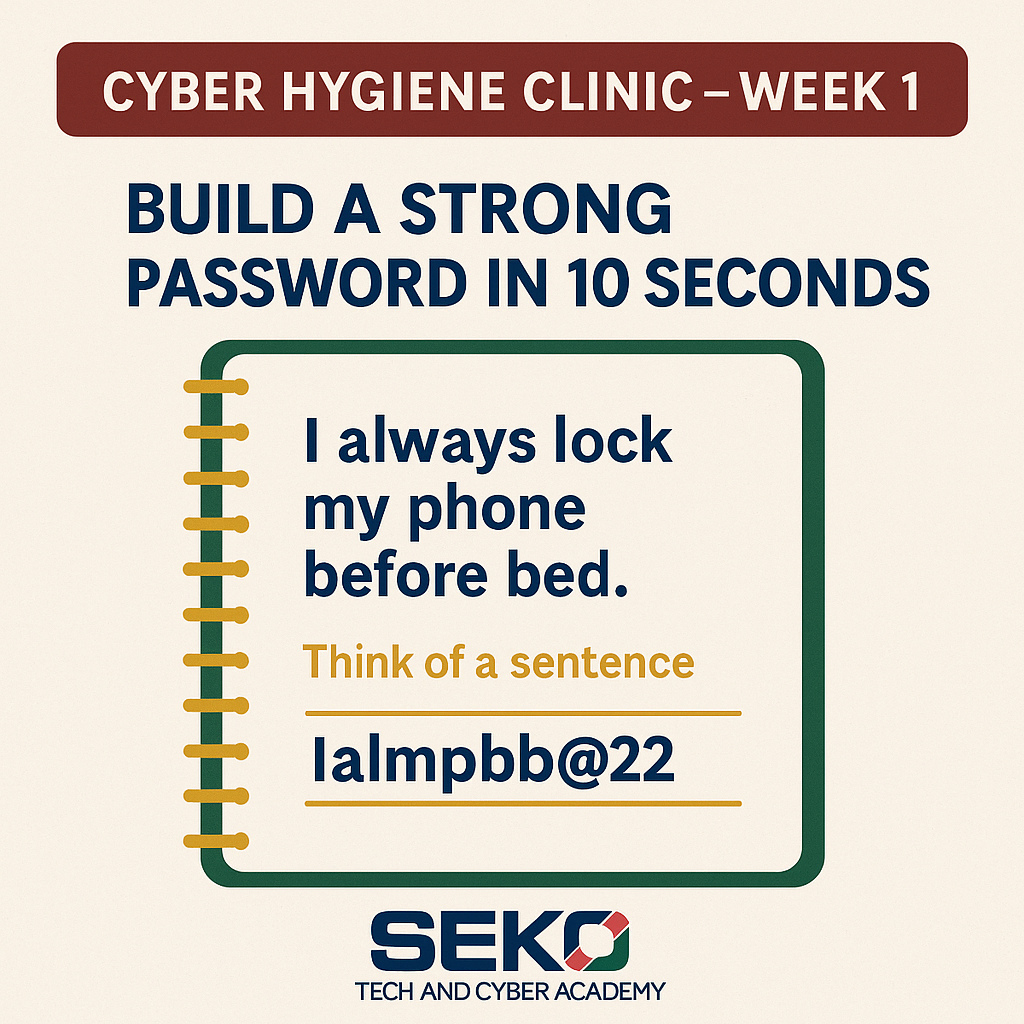
- Use a password manager to generate and store complex passwords.
- Activate 2FA on all your apps—prefer app-based methods like Google Authenticator or Authy over SMS.
- Be suspicious of calls claiming to be from banks, airlines, or telecoms. Legit companies won’t ask you to verify passwords over the phone.
- Delete old accounts you no longer use. They are a goldmine for hackers if left unmonitored.
- Warn your friends and family if you get a suspicious call or message—you could save someone from being the next victim.
Conclusion: The Price of a Simple Mistake
It only took one phone call to expose six million people. The Qantas data breach is a modern parable of what happens when trust is weaponised in the digital world.
For Namibia and SADC countries sprinting toward e-government, digital IDs, and cloud-based service delivery, the lesson is simple: the people behind the screens must be as protected—and trained—as the systems themselves.
No firewall can save you from a convincing voice on the other end of the line. But policy, awareness, and accountability can.
Reference Links & Further Reading