



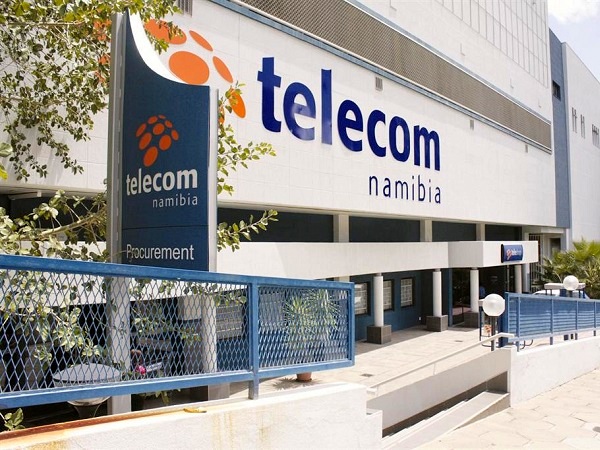
In December 2024, Namibia woke up to troubling headlines: the country’s state-owned telecommunications giant, Telecom Namibia, had suffered a major cyberattack. Personal information, including national ID numbers and banking details, had been stolen and dumped onto the dark web. But how did this happen? Could it have been prevented? And what can other Namibian companies learn from it?
Timeline of Events: What Happened and When
- Early December 2024
Hackers quietly gained access to Telecom Namibia’s internal systems. At this stage, no one outside the criminal group knew what was happening. Over a few days, they collected and downloaded private data, including customer and government records. - December 11, 2024
The ransomware group Hunters International contacted Telecom Namibia, demanding payment in exchange for not leaking the stolen data. They had taken over 492,000 files — nearly 626GB of information. - December 13, 2024
After the company reportedly refused to pay the ransom, the hackers made good on their threat. The files were released on dark web forums, making private customer and government data publicly available. - December 16, 2024
Telecom Namibia publicly confirmed the breach and began recovery efforts in partnership with cybersecurity experts and government authorities.
How Did the Hackers Get In?
Cybersecurity researchers believe the hackers entered Telecom Namibia’s network through a remote access vulnerability — most likely one of the following:
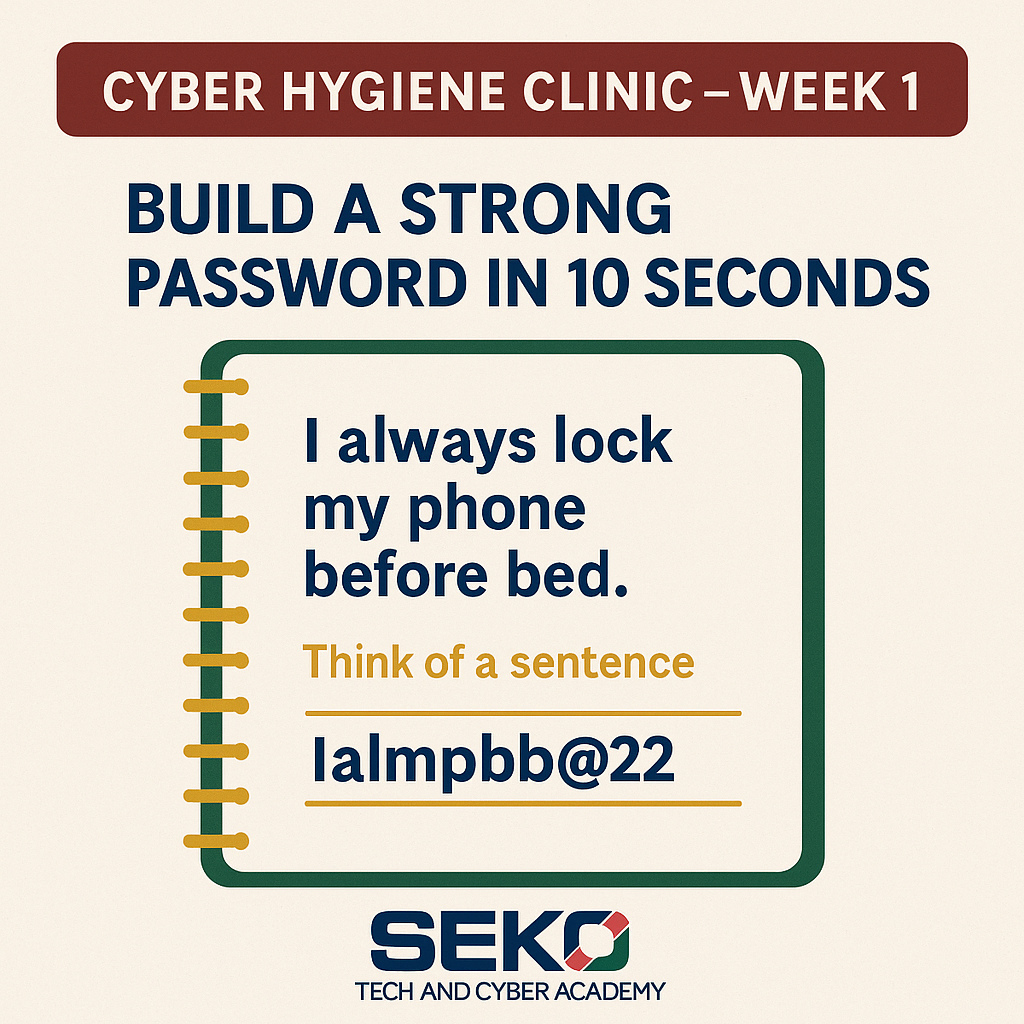
- Weak or reused passwords used by staff working remotely.
- Phishing emails that tricked employees into clicking malicious links or downloading fake attachments.
- Outdated security software that hadn’t been patched or updated, giving attackers an open door.
Once inside, the hackers quietly moved around the network, collecting files and disabling system backups to make recovery harder — a common tactic in ransomware attacks.
What Telecom Namibia Could Have Done Differently
While no system is 100% secure, there are steps Telecom Namibia could have taken to make it harder for hackers to succeed:
- Enforce multi-factor authentication (MFA) for all remote access.
- Limit user permissions so attackers can’t easily move around the system if they get in.
- Regular phishing simulations and training for staff to recognise cyber traps.
- Real-time monitoring systems that alert security teams to unusual behaviour.
- Backup systems stored offline, making it easier to recover if ransomware strikes.
How Did They Get Back Online?
Although exact technical details have not been made public, experts believe Telecom Namibia followed some standard industry practices:
- Isolate infected systems: They disconnected parts of their network to stop the spread of the attack.
- Conduct forensic investigation: Specialists analysed how the attack happened and what was accessed.
- Restore data from clean backups: This assumes they had copies of important files that weren’t compromised.
- Reset passwords and strengthen system access: Every account likely had to be checked or changed.
- Monitor for reinfection: Systems were likely watched for weeks to make sure the hackers didn’t come back.
Namibia’s Laws on Ransom Payments: Where Do We Stand?
Namibia currently does not have a specific law banning or regulating ransom payments to cybercriminals. However, Telecom Namibia’s decision not to pay follows global best practice — many countries strongly discourage paying ransoms because:
- It funds criminal activity.
- It doesn’t guarantee the hackers will delete the stolen data.
- It encourages more attacks in future.
Namibia also lacks a comprehensive cybersecurity and data protection law, which means victims are not legally required to disclose breaches, and there are no clear penalties for mishandling personal data. This legal gap leaves citizens exposed.
Lessons for Namibian Companies
This attack is not just Telecom Namibia’s problem — it’s a national wake-up call. Here are the key takeaways:
- Cybersecurity is not optional
Every organisation with digital records is a potential target. - Invest in your people, not just your software
Staff are the first line of defence. Train them. - Have a breach response plan
Know who to call and what to do before an incident occurs. - Push for better laws
Companies, civil society, and regulators must work together to pass laws that protect users and hold organisations accountable. - Speak up and report incidents
Transparency helps others prepare. Silence just helps hackers.
Conclusion: A Breach, A Lesson, and A Call to Action
The Telecom Namibia cyberattack was one of the most serious breaches in the country’s recent history. It exposed deep vulnerabilities in how we protect personal and institutional data — and highlighted the urgent need for a coordinated, national approach to cybersecurity.
For Namibia to thrive in a digital economy, we must do more than adopt new technologies. We must protect them — and the people who rely on them.
References & Further Reading: