



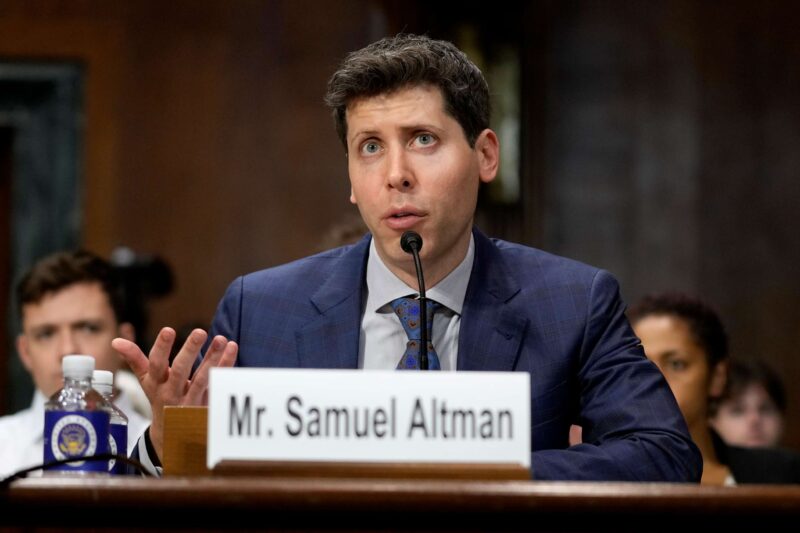
If you thought AI was just about ChatGPT answering your questions or drawing cartoons on your phone, think again. On May 8, 2025, OpenAI CEO Sam Altman—yes, the boss of the same AI that powers ChatGPT—went to Washington D.C. to face off with U.S. Senators. And what came out of that Senate hearing? Let’s just say, things are moving fast, and if Namibia isn’t careful, we’ll be left standing at the bus stop while the digital train leaves.
What Was This Senate Hearing About Anyway?
In a hearing titled “Winning the AI Race: Strengthening U.S. Capabilities in Computing and Innovation”, Sam Altman joined top tech bosses like AMD CEO Lisa Su and Microsoft President Brad Smith to speak to U.S. lawmakers about where AI is headed and what kind of rules are needed.
But this wasn’t just tech babble for geeks. It was real talk about:
- Global power struggles
- Energy shortages
- Job losses
- Digital surveillance
- And yes—whether AI could one day get so smart that it stops listening to humans.
Let’s break Down What Altman Told the Senate
1. “This Thing Can Go Very Wrong”
Altman didn’t mince words. He told the Senate straight: “If AI goes wrong, it can go quite wrong.” He compared its power to nuclear energy—massive benefits if handled well, disaster if abused.
Imagine if AI were used in Oshakati to generate fake election results—or in Katutura to mimic a politician’s voice asking people to protest. That’s how dangerous it can get when not regulated.
2. “Don’t Kill Innovation, But Please Regulate Us”
Strangely, Altman wasn’t fighting regulation—he was begging for it. He said AI needs thoughtful laws, not to slow it down, but to make sure it grows safely. The U.S. wants to be a leader in AI, but not at the cost of public safety.
Namibia currently has no AI laws. Zero. Zilch. Our policymakers need to start thinking about how we’ll govern AI before some clever person in Windhoek uses it to spread harmful misinformation during elections or scams elderly people in Swakopmund.
3. AI Needs Massive Infrastructure (And Power!)
Altman also mentioned something most people don’t realise: AI isn’t magic. It runs on servers that need power. A lot of it. That’s why OpenAI is investing in huge data centres in Texas.
If Namibia is dreaming about AI adoption—say, using smart systems at Katima border posts or digitising clinics in Rehoboth—we’ll need solid electricity, internet, and cooling infrastructure. Our current load shedding issues? AI doesn’t do “Eish, lights off.”
4. Jobs Will Be Lost… But Also Created
One of the big questions was whether AI will take people’s jobs. Altman admitted some roles will disappear—but others will be created. The key, he said, is preparing workers through training and education.
AI may soon replace cashiers in Shoprite or call centre agents at Telecom. But if we train people in Windhoek, Otjiwarongo or even on the coast to become data labellers, prompt engineers, or ethical AI testers—we can also gain jobs. The choice is ours.
5. Ethical Fears: Deepfakes, Data Theft and Bias
Lawmakers grilled Altman about ethical concerns. Can AI be racist? Yes. Can it be used to spread deepfakes? Definitely. Can it learn from toxic data and make biased decisions? Absolutely.
What happens when a facial recognition system trained in the U.S. can’t tell the difference between a Himba elder and a Herero teacher? Or when AI is used by loan companies in Namibia to deny credit based on zip codes or surnames? These aren’t sci-fi fears—they’re real digital risks.
So… Why Should a Namibian Hustler Care?
You might be reading this while waiting for a taxi in Havana, selling oranges at Single Quarters, or working IT support at a ministry. Why should you care what Sam Altman tells American Senators?
Because whether we like it or not, AI is coming to Namibia.
- Schools are already testing AI-powered learning platforms.
- Local developers are experimenting with AI chatbots.
- Some banks and insurance firms are toying with AI-based decision making.
If we’re not proactive, we’ll be using imported tech with no safeguards, no context, and no accountability. Just like how WhatsApp rumors spread faster than the truth—unregulated AI could do far worse.
What Namibia Must Start Doing Today
- Draft an AI strategy — not 10 years from now. Now.
- Train people from Katima to Lüderitz to understand how AI works.
- Build infrastructure that doesn’t collapse when AI demands surge.
- Create partnerships with trusted African and global AI labs.
- Put ethics front and centre — protect people’s data, identities, and rights.
Final Word
Sam Altman walked into the U.S. Senate and essentially said: “AI is here, it’s powerful, and if we don’t treat it carefully, it will treat us recklessly.” He wasn’t fearmongering—he was giving the world a heads-up.
Let’s not wait for a scandal in Khomasdal or a fake viral video from Ongwediva before we start taking this seriously. Namibia may not have Silicon Valley resources, but we have agency, intelligence, and urgency.
And in this AI race, that’s a good place to start.
📚 References & Further Reading:
Fortune: Altman warns against bad AI regulations
YouTube: Sam Altman testifies before U.S. Senate
AP News: OpenAI CEO among tech leaders to testify to Congress
Brookings: Senate hearing highlights AI harms and need for regulation